
SALO Regional Workshop (Hybrid, Maputo): Civil Society Perspectives on Mozambique’s National and Inclusive Dialogue – 9 December 2025
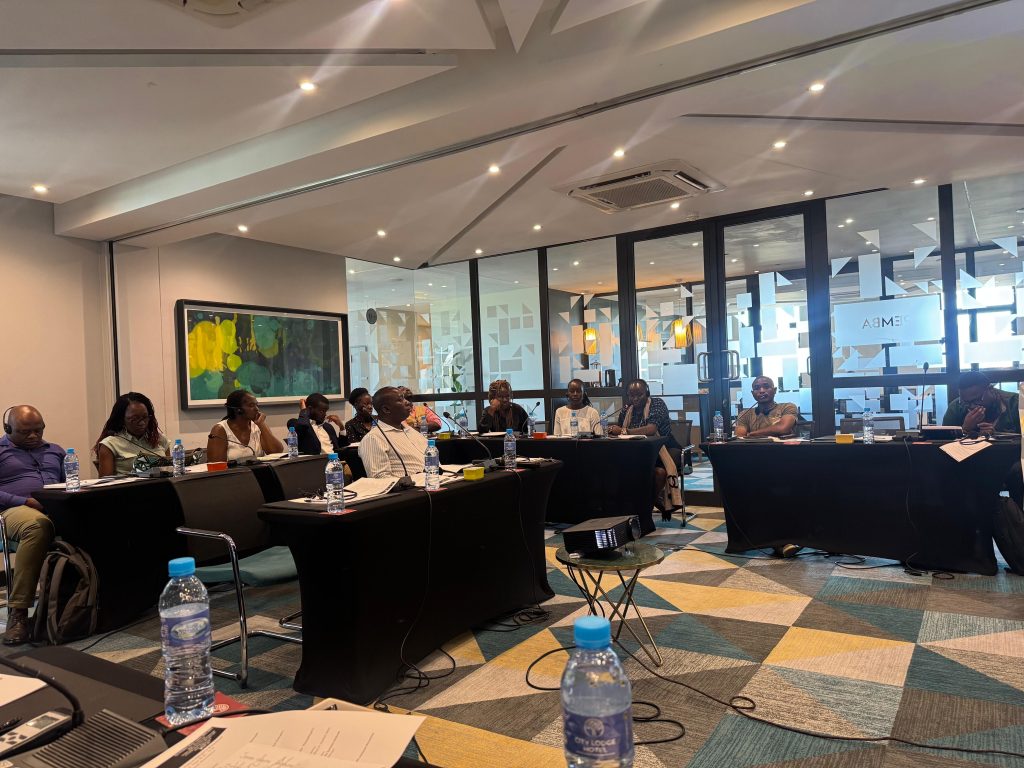
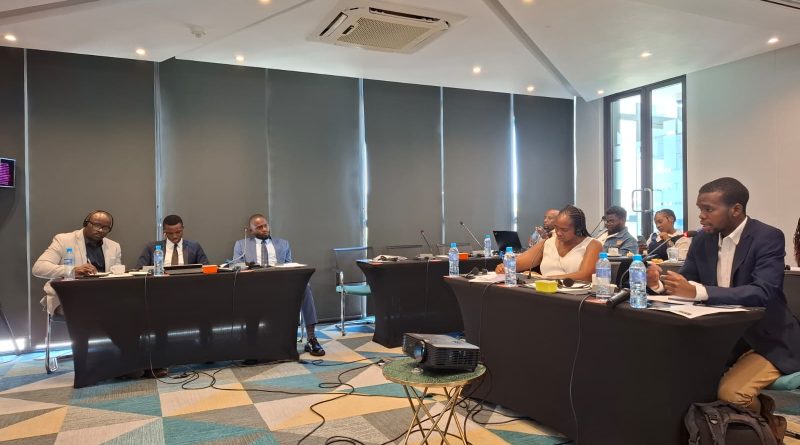
On 9 December 2025, the Southern African Liaison Office (SALO) convened a hybrid regional workshop in Maputo focused on civil society perspectives on Mozambique’s National and Inclusive Dialogue process. The workshop combined in-person engagement in Maputo with virtual participation from across Southern Africa, enabling broad regional exchange.
The hybrid format, supported by simultaneous Portuguese–English interpretation, ensured inclusive participation by Mozambican stakeholders while allowing civil society actors, governance practitioners, and policy analysts from across the region to contribute meaningfully to the discussion.
Purpose of the Dialogue
The primary objective of the regional workshop was to facilitate collective, comparative reflection on Mozambique’s National and Inclusive Dialogue process through a Southern African lens, while creating an accessible space for both national and regional civil society actors to engage.
The discussion aimed to:
- Assess Mozambique’s dialogue process in light of regional experiences with national dialogues
- Identify common challenges related to inclusion, coordination, and implementation
- Explore how regional civil society actors can support credible, citizen-centred dialogue processes
The hybrid format was intentionally designed to strengthen cross-border learning and regional solidarity, while anchoring the discussion in Mozambique’s national context.
Key Areas of Discussion
Overview of Mozambique’s National and Inclusive Dialogue Process
Participants reviewed the structure, objectives, and current phase of Mozambique’s National and Inclusive Dialogue. The discussion focused on how the process was unfolding at that stage, including early participation dynamics and emerging expectations around reform.
Contributors emphasised that while the dialogue represents a significant political opening, its success will depend on how effectively it engages citizens and responds to underlying governance challenges, rather than procedural milestones alone.
Civil Society Engagement and Strategic Influence
The workshop examined different approaches through which civil society actors are engaging with the dialogue process, including direct participation, parallel consultations, advocacy, and public monitoring.
Participants reflected on the strategic choices facing civil society in politically led dialogue processes, highlighting the importance of coordination, shared analysis, and clear articulation of civic priorities to enhance influence while maintaining independence.
Comparative Regional Experiences with National Dialogues
Drawing on experiences from across Southern Africa, participants compared Mozambique’s dialogue with other national dialogue initiatives in the region. The discussion identified recurring patterns, including risks of elite capture, exclusion of grassroots voices, and weak implementation of agreed reforms.
These comparative insights provided a basis for assessing potential risks and opportunities facing Mozambique’s process and for identifying strategies to mitigate common shortcomings.
Inclusion, Representation, and Civic Space
Participants examined how inclusion and civic space shape the legitimacy of national dialogue processes. Particular attention was given to the participation of youth, women, rural communities, and populations affected by insecurity.
The availability of interpretation during the workshop was noted as an important enabler of inclusive engagement, reinforcing broader discussions on the need for accessible and multilingual dialogue spaces within national processes.
Regional Solidarity and Collective Action
The workshop highlighted the value of regional solidarity among civil society actors. Participants discussed how regional networks can support national dialogue processes through shared learning, technical support, advocacy, and early identification of risks to inclusion or accountability.
Mozambique’s dialogue was viewed as regionally significant, with implications for peace, migration, and governance norms across Southern Africa.
Lessons for the SADC Region
The discussion identified key lessons for dialogue processes in the region, including the need to balance political negotiation with citizen participation, manage expectations around outcomes, and invest in long-term institutional reform rather than short-term political settlements.
Participants emphasised that dialogue should be understood as an ongoing process requiring sustained engagement beyond formal consultation phases.
Format and Participation
The workshop was conducted in a hybrid format, with participants convening in person in Maputo and others joining virtually from across Southern Africa. Simultaneous Portuguese–English interpretation enabled inclusive participation and facilitated regional exchange.
The session combined analytical inputs, facilitated discussion, and comparative reflection, allowing participants to engage substantively across national and regional perspectives.
Participants
The workshop brought together civil society representatives, governance experts, and regional practitioners from Mozambique and across Southern Africa, including organisations working on peacebuilding, democratic governance, youth engagement, and civic space.
Conclusion
The 9 December hybrid regional workshop underscored that Mozambique’s National and Inclusive Dialogue is not only a national process, but also a point of regional reference. The format of the engagement itself demonstrated the value of accessible, multilingual, and regionally connected dialogue spaces.
While the dialogue process presents important opportunities for reform, participants emphasised that its credibility will depend on sustained inclusion, strategic civil society engagement, and effective implementation. SALO will continue to support regional learning and coordinated civic engagement on dialogue processes as part of its broader commitment to peacebuilding and democratic governance in Southern Africa.